





Our Story
puhi peaks
At Puhi Peaks Station, we’re driven by a profound respect for the natural world and a deep commitment to preserving it for future generations.
Nicky McArthur, our passionate owner, puts it best: “We’re all about inspiring people to connect with the earth and each other in a way that feels real and meaningful.”
This guiding principle underpins everything we do, from conservation and education to tourism and farming.
A Holistic Approach
We’re dedicated to protecting the unique biodiversity of our property, which is home to critically endangered species like the Hutton’s Shearwater. Through our conservation efforts, including invasive species management and habitat protection, we’re working to preserve the natural beauty and ecological integrity of our land.
We share our knowledge and passion for the wilderness with visitors from around the world, while also engaging with local communities and students through education initiatives. Our guided tours showcase the extraordinary geological and ecological variation of our property, and we’re committed to sustainable practices in all our operations.
By embracing the concept of Kaitiakitanga, or guardianship, we’re striving to balance economic returns with environmental stewardship and promote responsible land management. From harnessing natural energy sources to reducing waste, we’re working towards a more sustainable future – for the land, for our community, and for generations to come.
Kaitiakitanga – Guardianship for future generations.
puhi peaks
Our History
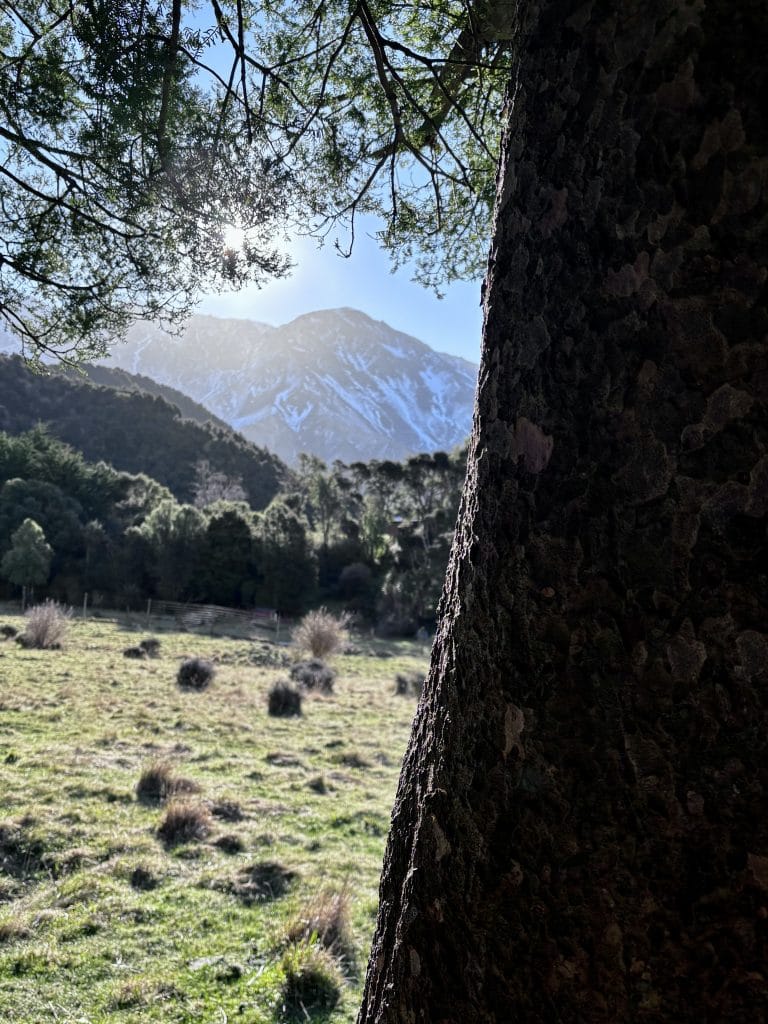
Puhi Peaks has a rich history interwoven with Māori settlement, early European farming, and a deep commitment to conservation. The area was originally part of the traditional territory of the Ngāti Kuri, Ngāi Tahu iwi (Māori tribe). Māori knowledge of the area included hunting grounds for tītī (muttonbirds) in these mountain ranges. European settlement in Kaikōura began in the mid-1840s, with land acquisition and sheep farming becoming prevalent by the 1850s. During the early 1900s, timber mills operated in the Puhi Puhi Valley, clearing areas mainly of matai and kahikatea trees. Fortunately, many stunning specimens of these trees still stand, along with magnificent totara and rimu trees believed to be over 1,000 years old.
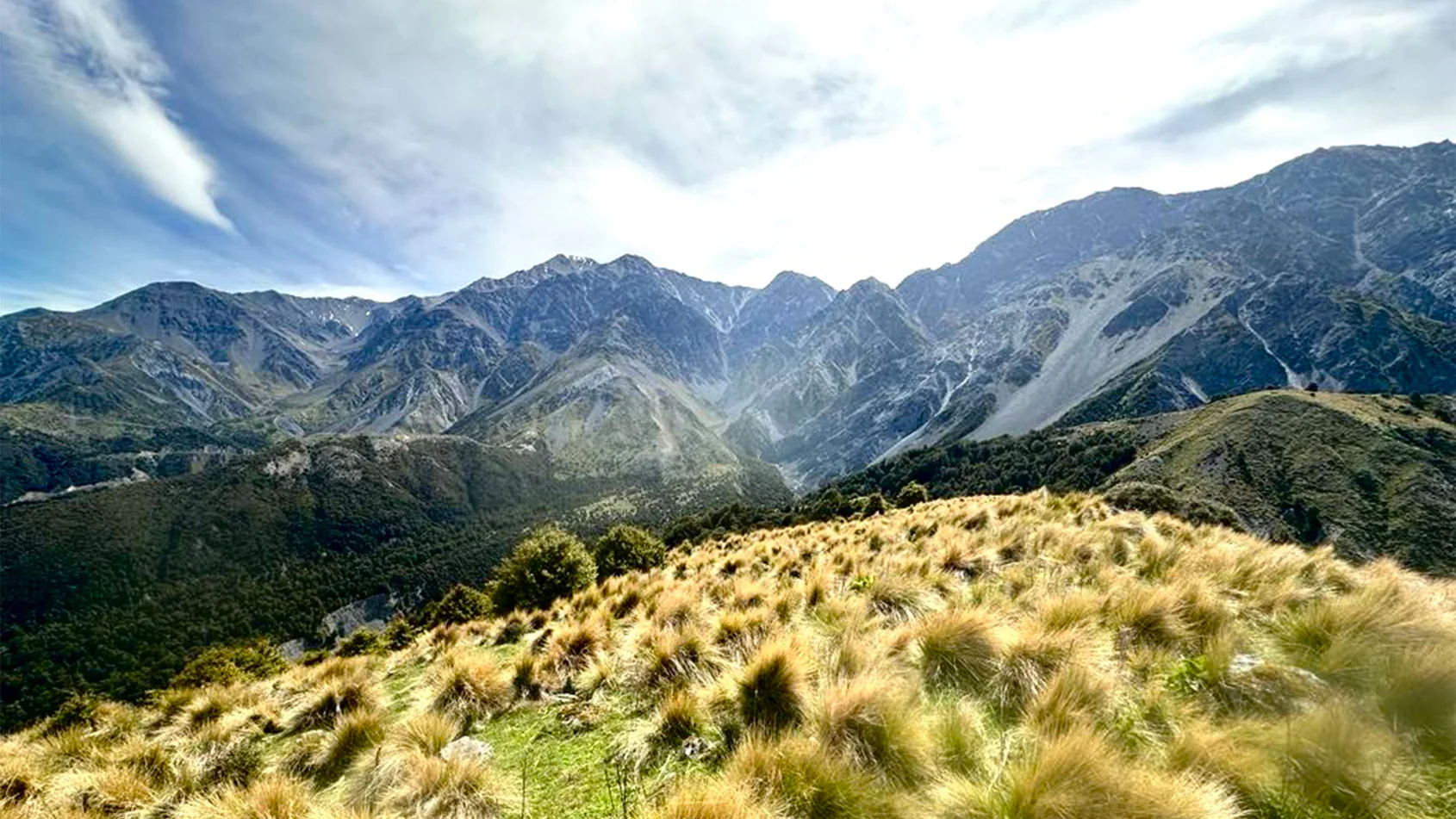
The landscape here is a spectacular, steep, and sometimes near-inaccessible. Much of the land was cleared for grazing, with fires often used to clear native bush, matagouri, and Spaniard grass, making foot travel and sheep droving possible. Flocks of sheep were grazed in areas up to and above 1,300m.
The station has changed hands over the years, resulting in differences in land utilization. Nicky McArthur became involved in the adventure walk offering at the station in 2003, which included the construction of Shearwater Lodge – a purpose-built luxury eco-lodge situated at 1,000m amidst the rugged wilderness. Nicky subsequently became the owner of Puhi Peaks Station and the owner/operator of Kaikoura Wilderness Walk (now KWE) in 2008. Sadly, the 2016 Kaikoura Earthquake resulted in the lodge being inoperable.
Nicky is passionate about preserving the incredible biodiversity of Puhi Peaks, where native flora and fauna thrive. More than 2,000 acres of the property are permanently protected under a QEII Covenant as part of the Puhi Peaks Nature Reserve, safeguarding its natural treasures for future generations. The Hutton’s Shearwater, also known as Kaikōura tītī, is a nationally endangered species that holds a unique claim to fame: it’s the only seabird in the world that breeds in an alpine environment. Remarkably, the Seaward Kaikōura Range in New Zealand’s South Island is literally the last place on earth where these birds can be found breeding, with only two colonies remaining – one of which is in the Puhi Peaks Nature Reserve at an altitude of 1,800m.
The 2016 earthquake also severely affected the Hutton’s Shearwater colonies, with landslides destroying vital nesting grounds and further threatening the survival of this endangered species. We’re proud to be guardians of these precious seabirds, working closely with the Department of Conservation to protect their habitat and monitor their breeding success. Our land is their final stronghold.
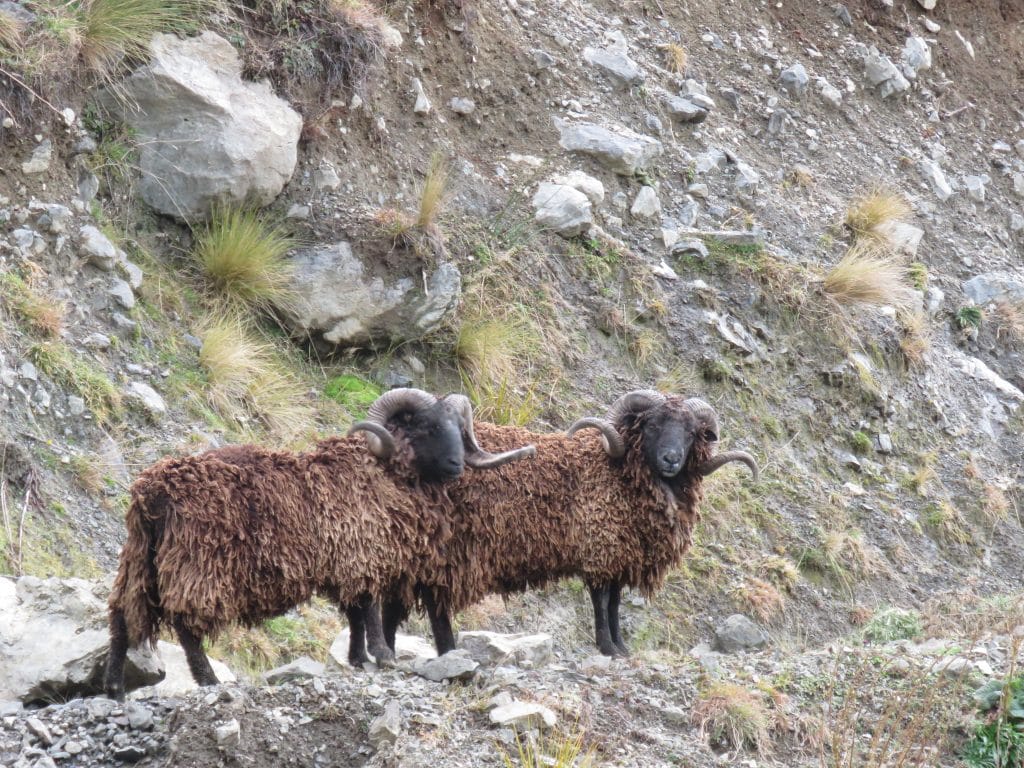
Rare and endangered animals, along with land preservation, ignite a passion in Nicky. Sheep farming here is now limited to low numbers of the wild and rare Arapawa sheep breed, which thrive on steep, hostile terrain due to their lean and light-boned nature. This breed suits a low input farming method, being robustly able to combat specific diseases, therefore requiring less handling, and are environmentally efficient.
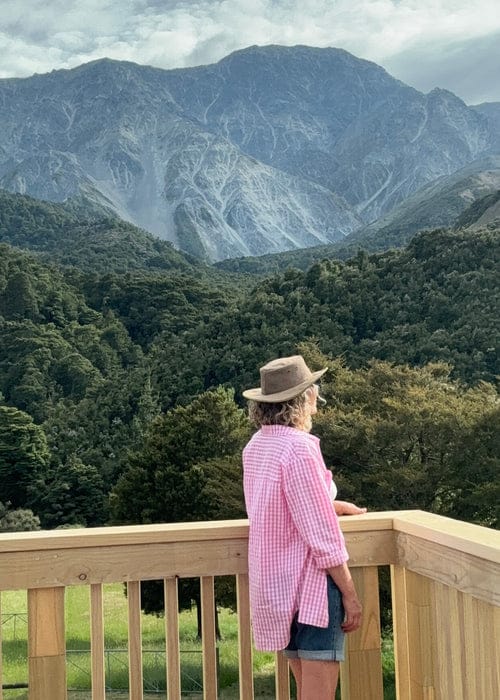
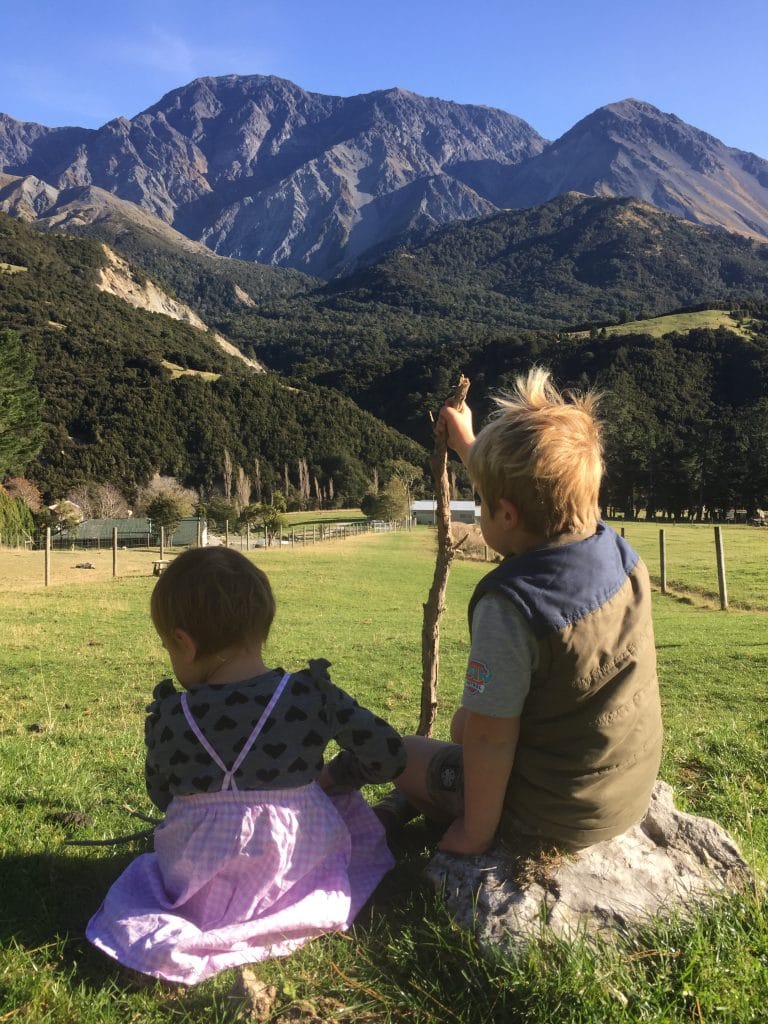
The views from our station have improved significantly, with incredible regeneration of farmed land now covered in native bush. In conservation circles, parts of the property are world-famous.
For Nicky, Puhi Peaks is a place where conservation, education, tourism, farming, and recovery from the earthquake intersect – and it’s a story she loves to share with others.